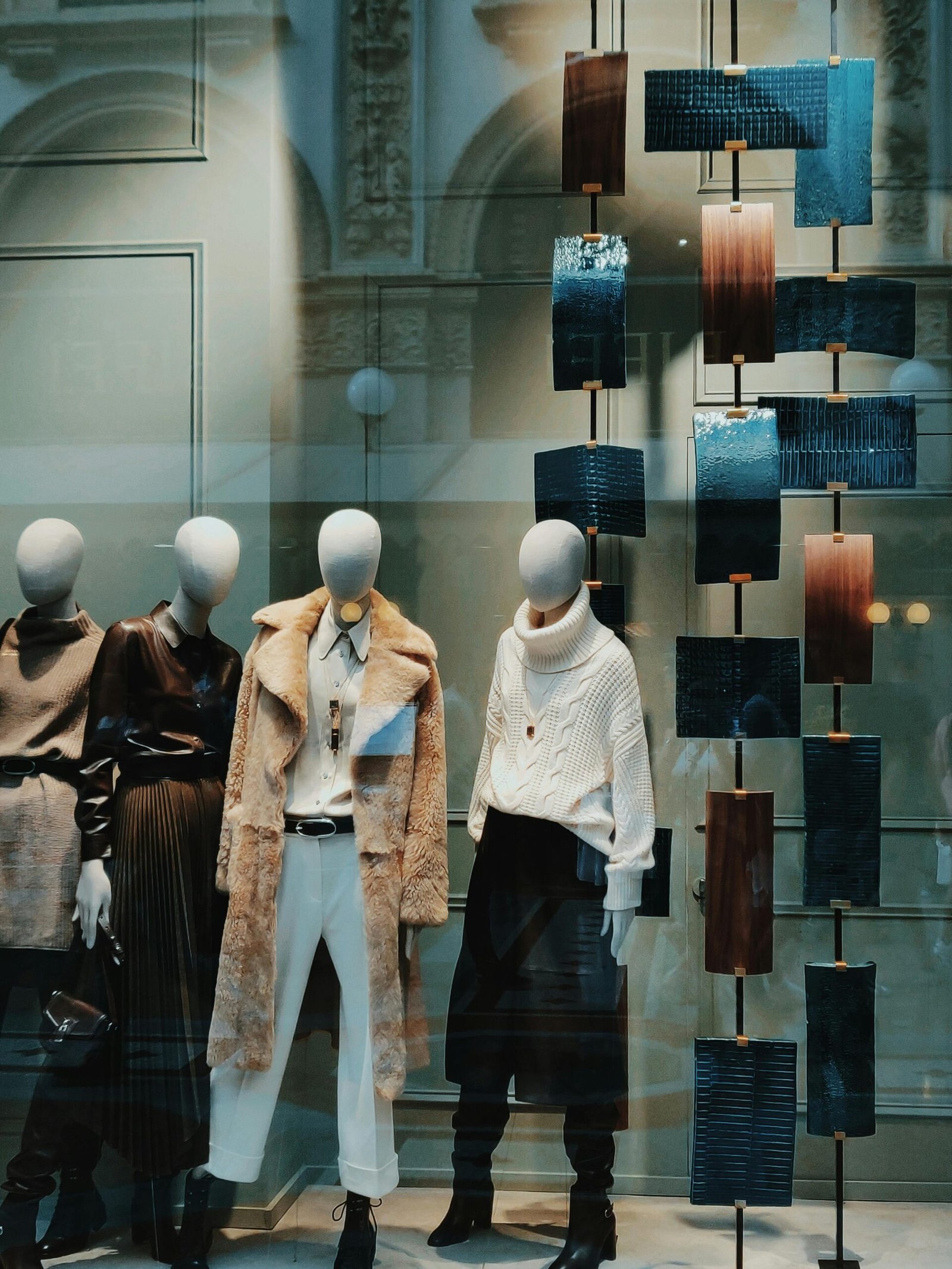
As the crisp autumn air gives way to the chill of winter, mastering the art of layering becomes essential—not just for warmth, but for style. Layering clothes isn’t merely about piling on garments; it’s a fashion strategy that allows you to combine textures, colors, and shapes to create a cohesive, stylish outfit. Done right, layering keeps you comfortable, versatile, and effortlessly chic.
In this guide, we’ll explore the principles of layering, the best fabrics for fall and winter, and practical outfit ideas to help you look fashionable while staying warm.
Why Layering is Essential for Fall and Winter
Layering is more than a functional necessity—it’s a style statement. Here’s why it matters:
-
Temperature Control: Fall and winter temperatures fluctuate throughout the day. Layering allows you to add or remove pieces to maintain comfort.
-
Versatility: Mixing and matching different layers opens up countless outfit possibilities without needing an extensive wardrobe.
-
Visual Interest: Layering allows you to combine colors, textures, and patterns, creating depth and personality in your look.
-
Practicality: Layered outfits adapt to indoor and outdoor environments, keeping you comfortable in offices, cafes, and chilly streets alike.
The Basics of Fashionable Layering
Before diving into outfits, understand the core principles of layering:
1. Start with a Base Layer
The base layer sits closest to your skin. It should be comfortable and lightweight.
-
Materials: Cotton, silk, thin merino wool, or moisture-wicking fabrics.
-
Function: Keeps you warm without bulk and serves as a neutral backdrop for your outfit.
-
Examples: Turtlenecks, fitted long-sleeve tees, camisoles, or button-down shirts.
2. Add a Mid-Layer
The mid-layer provides insulation and is where you can introduce style and texture.
-
Materials: Wool, cashmere, fleece, or knitted fabrics.
-
Function: Traps heat and allows layering without restricting movement.
-
Examples: Sweaters, cardigans, vests, or lightweight pullovers.
3. Finish with an Outer Layer
The outer layer protects against wind, rain, and snow while completing your look.
-
Materials: Wool coats, trench coats, puffer jackets, leather jackets, or oversized blazers.
-
Function: Shields you from the elements and adds a statement piece to your outfit.
-
Tips: Ensure the outer layer fits comfortably over your mid-layer without looking bulky.
Key Rules for Layering Clothes Fashionably
1. Play with Proportions
Mix fitted and oversized pieces to avoid a boxy appearance. For example:
-
Fitted turtleneck + oversized cardigan + tailored coat
-
Slim jeans + chunky knit sweater + longline coat
2. Mix Textures
Combining different textures adds visual interest and richness to your outfit:
-
Leather jacket + wool scarf + cotton shirt
-
Knitted sweater + silk blouse + denim jacket
3. Stick to a Color Palette
Choose 2–3 complementary colors to create a harmonious outfit. Use neutral colors (black, white, beige, grey) as a base, and add pops of seasonal shades like mustard, burgundy, or forest green.
4. Layer Lengths Strategically
Varying the lengths of your layers creates dimension. Example:
-
Long coat over cropped sweater
-
Tunic or shirt peeking out under a sweater
5. Accessorize Wisely
Scarves, hats, gloves, and belts not only enhance warmth but also add flair. Belts over coats or cardigans can create a defined silhouette.
Practical Layering Ideas for Fall
Fall weather is mild but unpredictable, so layering is key. Here are some stylish fall layering combos:
-
Casual Chic:
-
White t-shirt
-
Denim jacket
-
Plaid scarf
-
Ankle boots
-
-
Office Ready:
-
Slim blouse
-
Wool cardigan
-
Tailored blazer
-
Trousers and loafers
-
-
Weekend Vibes:
-
Striped long-sleeve top
-
Utility vest
-
High-waisted jeans
-
Sneakers
-
Fall layering often focuses on lightweight outerwear and mid-weight sweaters, allowing easy removal when temperatures rise during the day.
Winter Layering for Maximum Warmth
Winter demands heavier layers, but style should never take a backseat:
-
Classic Winter Ensemble:
-
Thermal top
-
Chunky knit sweater
-
Wool coat
-
Scarf, gloves, and beanie
-
-
Casual Winter Street Style:
-
Fitted turtleneck
-
Oversized puffer jacket
-
Skinny jeans or leggings
-
Winter boots
-
-
Elegant Winter Look:
-
Silk blouse
-
Cashmere sweater
-
Midi wool coat
-
Knee-high boots
-
Layering in winter requires attention to fabric weights. Thicker fabrics should be placed on the outside, while thinner ones like thermals and turtlenecks stay close to the skin.
Seasonal Layering Tips
-
Neutral Base: Stick to neutral colors for your base layer for versatility.
-
Pattern Play: Introduce patterns in mid-layers for a subtle pop.
-
Outer Layer Investment: A high-quality coat is a long-term investment that elevates every outfit.
-
Functional Accessories: Hats, scarves, and gloves are both stylish and functional.
-
Adapt for Activity: Indoor/outdoor transitions may require shedding or adding layers quickly.
Common Layering Mistakes to Avoid
-
Overstuffing Layers: Too many bulky layers can look sloppy.
-
Ignoring Proportions: Wearing all oversized or all fitted pieces can flatten your look.
-
Clashing Patterns: Avoid more than two conflicting patterns in one outfit.
-
Neglecting Fabric Comfort: Scratchy fabrics can ruin your layering experience.
-
Ignoring Outerwear Fit: Your coat should accommodate your mid-layer comfortably.
Conclusion
Layering clothes is both an art and a science. By mastering base, mid, and outer layers, mixing textures, playing with proportions, and selecting complementary colors, you can navigate fall and winter in style. The key is to balance warmth and fashion without compromising comfort. Experiment with outfits, embrace versatile pieces, and make layering a signature part of your seasonal wardrobe.
With these tips, staying warm doesn’t mean sacrificing style—layering becomes your secret weapon to look effortlessly chic in every cold-weather setting.
SEO Considerations:
Fashion Yearly Edition
Stay Trendy, Stay Yearly.